POP CULTURE
DISCO MUSIC EXPLODES
Saturday Night Fever (1977) and the rise of disco music ignited a cultural explosion that swept through the late 1970s, bringing the energy of the dancefloor into mainstream pop culture. The film, starring John Travolta, captured the struggles and style of urban youth, while its chart-topping soundtrack featuring the Bee Gees turned tracks like “Stayin’ Alive” into global anthems. At the same time, Studio 54 in New York City became the epicenter of the disco craze, a glamorous, celebrity-packed nightclub that embodied the era’s excess, freedom, and pulsating nightlife. With its fusion of music, fashion, and celebrity culture, the disco movement it defined a glittering moment in pop culture history that continues to influence music and style today.
SONY WALKMAN
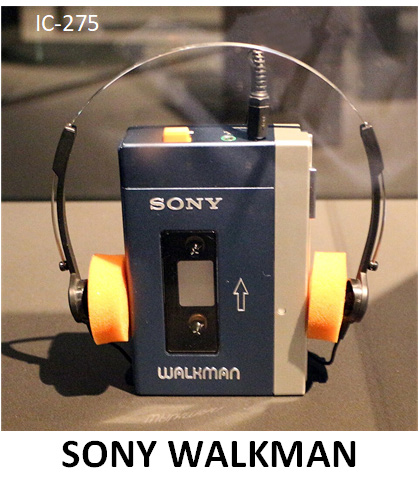
Introduced in 1979, the Sony Walkman revolutionized the way people listened to music by making it portable for the first time. Designed as a compact cassette player with lightweight headphones, the Walkman allowed users to take their favorite music anywhere -on the street, at the gym, or on the go -without disturbing others. It was a cultural breakthrough, giving rise to personal listening as a new norm and helping to shift music consumption from shared experiences to individualized ones. The Walkman also symbolized a new kind of youth independence and mobility, becoming a fashion accessory as much as a piece of technology. Its success paved the way for later portable devices like CD players, MP3 players, and eventually smartphones.
STAR WARS
Star Wars, first released in 1977, has had a profound and lasting impact on American culture, reshaping the entertainment industry and embedding itself in the national consciousness. It revolutionized blockbuster filmmaking with its groundbreaking special effects, iconic light sabers, and realistic laser beam guns that took sci-fi to a new level, along with an unforgettable orchestral score and mythic storytelling.
The franchise also pioneered modern movie merchandising, turning action figures and branded products into a multibillion-dollar market. Star Wars helped bring science fiction and fantasy into the mainstream, inspiring generations of filmmakers, writers, and fans. Iconic lines like “May the Force be with you” and characters such as Darth Vader and Yoda have become permanent fixtures of pop culture.
1980's
MTV (Music Television) launched on August 1, 1981, with the now-iconic first music video: “Video Killed the Radio Star” by The Buggles. This moment marked a seismic shift in both music and visual culture, as MTV pioneered the 24-hour broadcast of music videos, giving artists a powerful new way to connect with fans. It quickly became a cultural force, merging music, fashion, and youth identity into a dynamic visual experience.
MTV didn’t just play music, it shaped it. Artists like Madonna, Michael Jackson, and Prince used the platform to craft bold visual personas, turning music videos into essential storytelling tools. Jackson’s 15-minute “Thriller” video (1983) set new standards for production and creativity, while Madonna’s provocative imagery made her a style icon and symbol of pop reinvention.